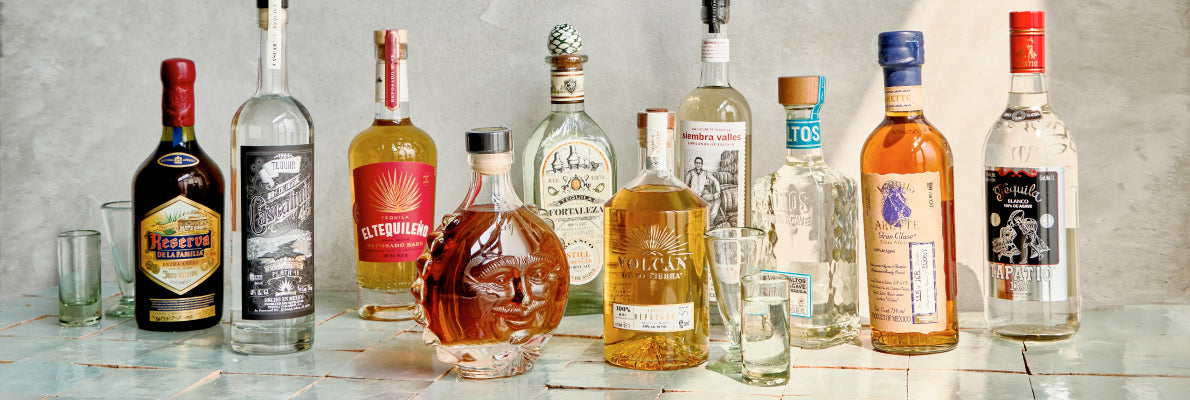




The tequila aisle can be overwhelming — dozens of bottles, foreign-sounding labels, and wildly different price points. This guide cuts through the noise so you can confidently buy premium tequila online and actually enjoy every pour.
In This Guide
- What makes tequila “premium”?
- The core differences: Blanco, Reposado, and Añejo
- Side-by-side comparison table
- Best premium sipping tequilas for 2026
- Which type should you actually buy?
- FAQ: Common questions answered
What Makes a Tequila “Premium”?
Not all tequila is created equal. The differences in tequila quality start right at the source — specifically, what percentage of blue agave the bottle actually contains. Premium tequilas are 100% blue agave, meaning no added sugars, no fillers, no shortcuts. Cheaper “mixto” tequilas are only required to contain 51% agave, with the rest made up of cane sugar or other fermentable material — which is precisely why your college margaritas gave you such brutal hangovers.
When you buy premium tequila online in 2026, look for two things on the label: the phrase “100% de agave” and a NOM number — the official Mexican regulatory code that identifies the specific distillery. Any bottle missing these details is almost certainly not worth your money, regardless of how attractive the packaging looks.
Premium tequila is also defined by its production region. Only tequila produced in the state of Jalisco — plus a handful of municipalities in Guanajuato, Michoacán, Nayarit, and Tamaulipas — can legally carry the “Tequila” name. Think of it like Champagne: the geography is part of the guarantee.
The Core Differences in Tequila: Blanco, Reposado, and Añejo
The three main categories of premium tequila are defined primarily by one variable: how long the spirit is aged in oak barrels. That single factor shapes the color, aroma, flavor, and best use of each type dramatically.
Blanco (Silver / Plata)
Aging: Unaged, or rested in stainless steel for up to 60 days. Bottled immediately after distillation.
Blanco is the purest expression of the agave plant. Because it spends no time in wood, nothing masks or softens the raw spirit — you get the full, unfiltered character of the blue agave: bright, herbaceous, peppery, and vegetal, with a clean finish that can carry hints of citrus and green olive.
It’s the category that tequila connoisseurs often consider the most honest, because there’s nowhere to hide. A great Blanco reflects exceptional agave sourcing and skillful distillation. A poor one tastes like paint thinner.
Best for: Cocktails, side-by-side agave tastings, margaritas, highballs, and anyone who prefers brightness over richness.
Reposado (Rested)
Aging: Rested in oak barrels for a minimum of 2 months, up to 1 year.
“Reposado” means rested, and that’s exactly what the spirit does — it settles into the wood, picking up warmth, vanilla, and toasted oak without losing its agave soul. The result is a golden-hued tequila that bridges the gap beautifully between Blanco’s vibrancy and Añejo’s depth.
Reposado is the best sipping tequila entry point for most people in 2026 because it retains agave flavor while adding enough complexity to reward slow, deliberate drinking. The barrel mellows the fire, rounds out the edges, and introduces subtle caramel and spice notes that make it endlessly approachable.
Best for: Neat sipping, on the rocks, elevated cocktails like the Paloma or Tommy’s Margarita, and gifting.
Añejo (Aged)
Aging: Aged in oak barrels for a minimum of 1 year, up to 3 years. By regulation, barrels cannot exceed 600 litres.
Añejo is where tequila begins to compete with fine whisky and cognac on complexity. Extended contact with wood draws out deep caramel, dried fruit, chocolate, roasted nut, and tobacco notes — producing a rich, amber-colored spirit with remarkable body and a long, warming finish.
This is unmistakably a sipper’s tequila. Mixing Añejo in cocktails is considered wasteful by most enthusiasts — it’s at its best poured into a good snifter at room temperature, given five minutes to breathe, and then savored without distraction.
Best for: Neat sipping, after-dinner pours, whisky lovers exploring agave spirits, and serious collectors.
Blanco vs. Reposado vs. Añejo: Side-by-Side Comparison
| Blanco | Reposado | Añejo | |
|---|---|---|---|
| Aging | 0–60 days | 2–12 months | 1–3 years |
| Color | Crystal clear | Light gold | Deep amber |
| Flavor Profile | Agave-forward, citrus, pepper, herbs | Vanilla, oak, caramel, subtle agave | Dried fruit, chocolate, tobacco, wood |
| Finish | Crisp, short-to-medium | Warm, medium-long | Rich, very long |
| Best Served | Cocktails, shots | Neat, rocks, cocktails | Neat, snifter only |
| Typical Price (750ml) | $35–$70 | $45–$90 | $70–$200+ |
| Complexity Level | Low–Medium | Medium–High | High–Very High |
| Whisky Lover Appeal | Low | Medium | Very High |
Best Premium Sipping Tequilas to Buy in 2026
Whether you’re shopping for yourself or looking for a standout gift, these are the bottles that consistently earn top marks across the agave spirits community. All are available to buy premium tequila online through major spirits retailers.
Top Blanco Picks
Top Reposado Picks Best Overall Value
Top Añejo Picks
Which Type Should You Actually Buy?
The honest answer depends entirely on how you plan to drink it and what your palate is already calibrated to.
Buy Blanco if you love the raw, grassy, uncompromising flavor of agave — or if you’re building cocktails where freshness matters. Blanco is also the right choice for anyone who wants to understand what a distillery’s terroir and technique actually taste like without the influence of wood.
Buy Reposado if you’re new to premium tequila, you enjoy whisky but want to explore agave spirits, or you want a bottle that works just as well neat as it does in a cocktail. Reposado is the most versatile category — the sweet spot between purity and complexity. For most people, it’s the ideal starting point.
Buy Añejo if you’re a whisky or cognac drinker who wants to find something that mirrors those sensory experiences while offering something genuinely different. Añejo is also the correct answer if you’re buying a bottle as a high-value gift, or if you simply want to sip something slowly and contemplate the world.
Ready to explore the full range of premium agave spirits?
Browse Our Tequila & Mezcal Collection → Including Blanco, Reposado, Añejo, Extra Añejo, and Mezcal — all available to buy online with fast delivery.Frequently Asked Questions
Not necessarily. Harsher-tasting Blancos are usually the result of poor distillation or low-quality agave rather than the absence of aging. A great Blanco from a top producer like Fortaleza or G4 can be silky-smooth. What differs is flavor character, not quality.
You can, but most enthusiasts consider it a waste of premium spirit. Añejo’s complex oak and dried fruit notes get buried in citrus and sugar mixers. If you want to cocktail with an aged tequila, Reposado gives you the warmth and character without the cost penalty.
For overall quality and value, Siete Leguas Reposado and Fortaleza Blanco remain consistent community favorites heading into 2026. For a splurge-worthy occasion, Don Julio 1942 and Clase Azul Añejo continue to be benchmark bottles. See our full Tequila & Mezcal collection for regularly updated picks.
Look for “100% de agave” or “100% puro de agave” on the label, plus a NOM number (a 4-digit code). Any legitimate premium tequila will display both. When buying online, also check that the retailer is an authorized spirits seller — counterfeit bottles are rare but do exist at the very high end of the market.
Both are agave spirits, but tequila is made exclusively from blue agave, while mezcal can be made from dozens of agave varieties. Mezcal is also typically produced using traditional earthen-pit roasting methods that give it a distinctive smoky character. Tequila is generally smoother and more consistent; mezcal tends to be more artisanal, varied, and complex. Explore both in our Tequila & Mezcal collection.